Tag: Logistics

  • TechWeek Singapore 2026

    At TechWeekSingapore2026, I have been looking at technologies from the perspective of freight forwarding and logistics: What operational problem does this actually solve?
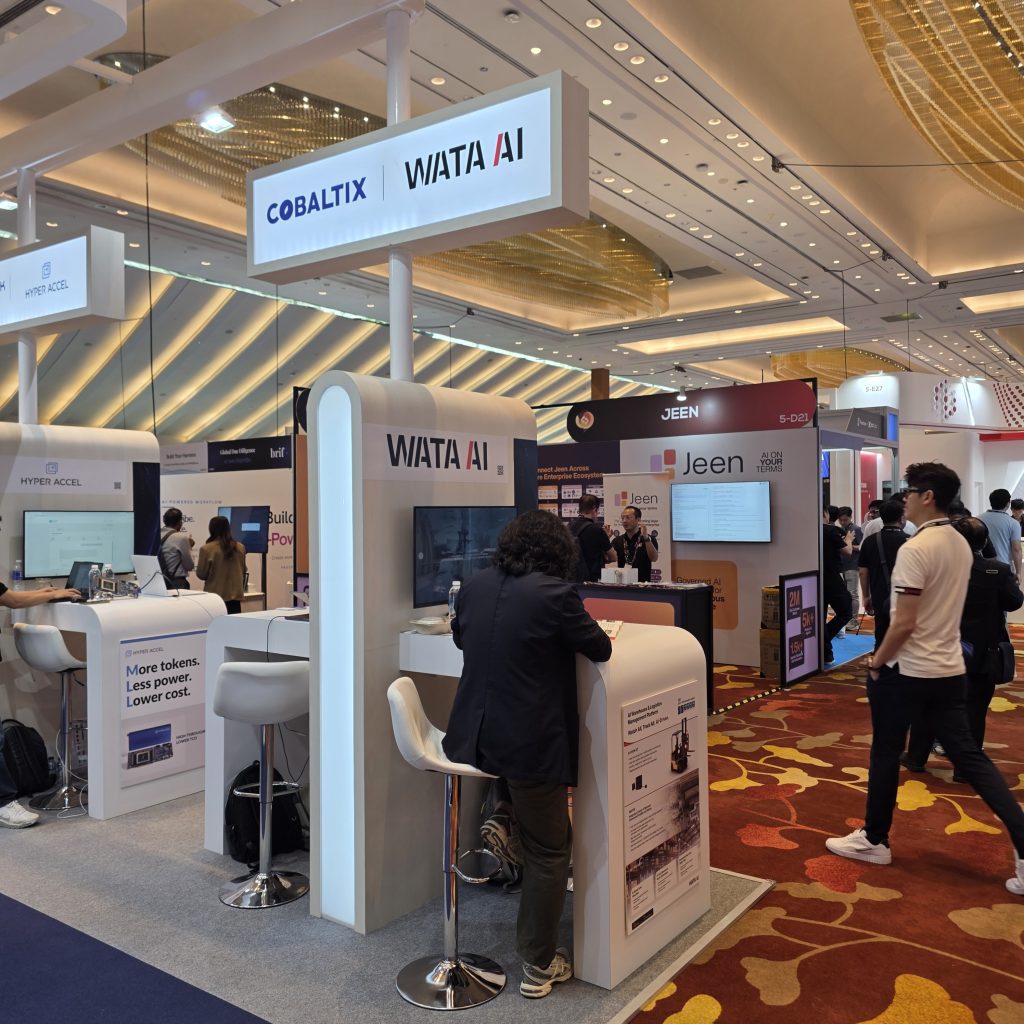
    My first stop was WATA AI / WATON (https://www.wata-ai.com/en/waton).

    The core value proposition appears to sit alongside the WMS rather than replacing traditional WMS functionality.

    There are two distinct applications.

    1. Physical handling accuracy

    WATA addresses the physical execution layer of warehouse operations:

    • Putaway accuracy: verifying that the correct pallet is placed in the correct pallet location.
    • Inventory accuracy: checking what pallet is physically located at each pallet position.
    • Outbound accuracy: verifying that the correct pallet is retrieved and despatched.

    Pallets do not necessarily require a barcode, although identification would improve the process.

    The current application therefore appears best suited to homogeneous products with known and defined pallet configurations.

    This distinction is important: a WMS knows where a pallet should be. WATA is trying to establish whether the physical pallet is actually there.

    2. Digital twin and warehouse optimisation

    The warehouse can be modelled digitally to analyse:

    • current productivity and material flows;
    • as-is versus to-be scenarios;
    • alternative warehouse and racking configurations, including adjustable pallet racking systems;
    • the productivity impact of layout changes before physically implementing them.

    This takes the application beyond accuracy and control into warehouse engineering and continuous improvement.

    Current limitations

    Based on the solution demonstrated to me, there are some limitations to consider:

    • The current solution appears better suited to single-user warehouse environments. Multi-user operations with different customers, SKUs and handling requirements introduce considerably more complexity.
    • Inventory, putaway, picking and outbound verification currently operate at full-pallet level.
    • FIFO, LIFO, batch and expiry-date control become problematic where two pallets containing the same SKU and having the same pallet configuration are physically interchanged. The system cannot independently determine inbound date, batch number or expiry date from the pallet configuration alone.

    Overall, it was interesting to see technology addressing the physical accuracy gap between what the WMS records and what is actually happening on the warehouse floor.

    It’s good to see solutions being developed specifically around logistics operations, and I hope we see more technology providers addressing the particular challenges of freight forwarding and logistics over time.
  • TechWeek Singapore 2026

    At TechWeekSingapore2026, I have been looking at technologies from the perspective of freight forwarding and logistics: What operational problem does this actually solve?

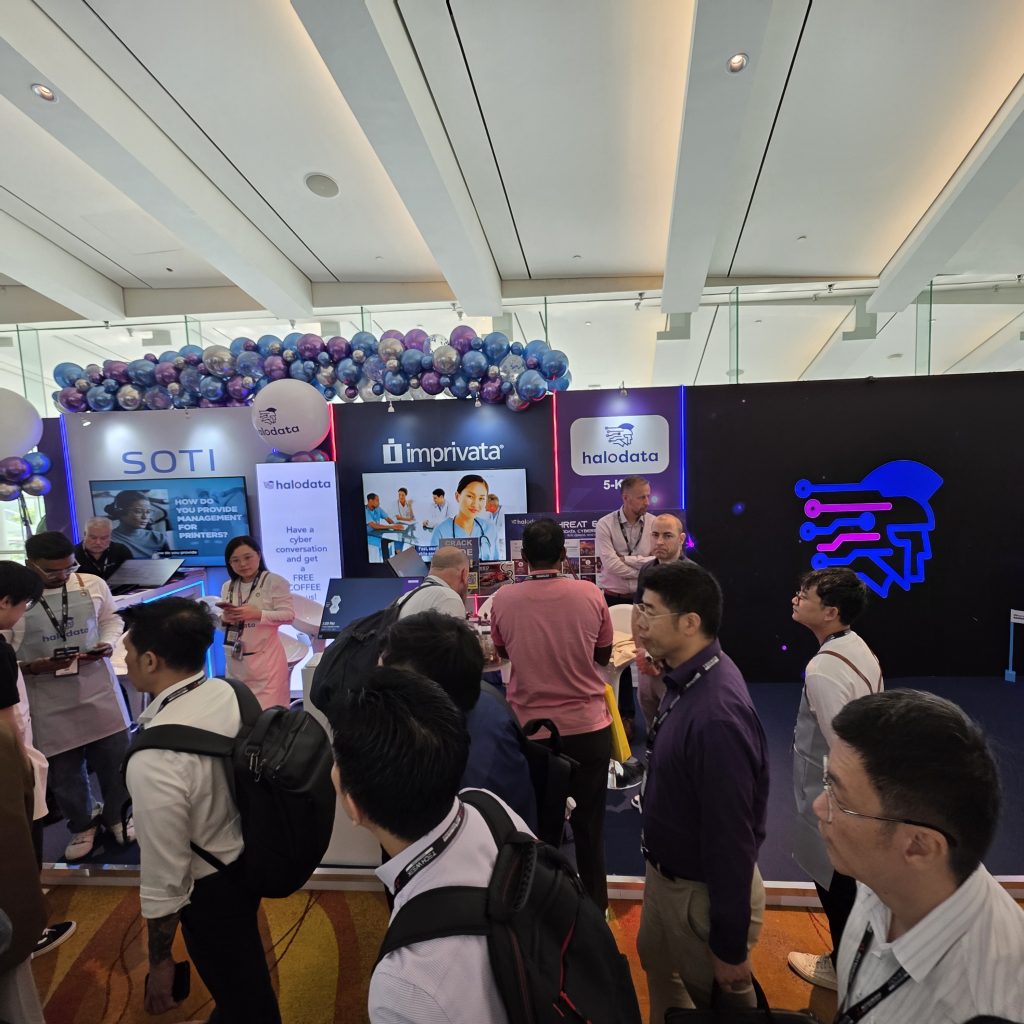
    One of the solutions worth looking at is SOTI (soti.net). We spend a lot of time talking about WMS, TMS, automation and AI.

    But there is another layer we often overlook: the device the warehouse operator or driver actually holds in their hand.

    SOTI manages and secures these mobile and rugged devices across platforms including Android and Windows, and supports manufacturers commonly used in logistics such as Zebra, Honeywell, Datalogic and Panasonic.

    Where does this become operationally interesting?

    A warehouse handheld can be locked down so the operator only has access to the applications and functions required for the job.

    Different configurations can be applied to warehouse staff, drivers and supervisors.

    Geofencing takes this further. Device policies can change depending on whether the device is inside an approved warehouse, depot or other location.

    Then there is downtime. When a scanner stops working, the problem is not simply an IT problem. It becomes an operational problem. SOTI allows support teams to remotely diagnose devices, collect logs and examine device, application and battery behaviour without necessarily having the device physically in front of them.

    Another practical logistics application is controlled photo capture. Images of damaged cargo, loading conditions or proof of delivery can be captured, automatically transferred to a central repository and removed from the device afterwards.

    My takeaway

    The easiest way to understand where SOTI fits into logistics is perhaps this:

    The WMS manages the inventory.

    The TMS manages the transport. The handheld connects the employee to those systems. SOTI manages and protects that connection.

    As logistics operations become increasingly digital, the devices used on the warehouse floor and in the field are no longer just hardware. They are part of the operational infrastructure.

  • TechWeek Singapore 2026

    At TechWeekSingapore2026, I have been looking at technologies from the perspective of freight forwarding and logistics: What operational problem does this actually solve?

    MetaCompliance: More Than Cybersecurity Training

    At first glance, MetaCompliance appears to be a cybersecurity awareness and compliance platform. Looking at it from a freight forwarding and logistics perspective, however, I see a much broader application.

    Our industry depends heavily on people knowing and following the correct procedures.

    There are regulatory and operational requirements such as dangerous goods, cargo security, customs, export controls and GDP. There are financial controls covering credit, payments, billing and approvals. Then there are customer-specific SOPs, product training and functional training for operations, sales, customer service, finance and warehousing.

    The challenge isn’t simply:

    “Have we trained our employees?”

    It is:

    “Can we demonstrate that the right employee received the right information, understood it and acknowledged the latest version?”

    This is where MetaCompliance becomes interesting.

    The platform combines learning with policy management, allowing companies to distribute training and policies to relevant employees and track completion and acknowledgement.

    One capability I particularly like is Content to Course. Existing company material, such as policies and PDFs, can be converted into structured learning content and assessments.

    For a freight forwarder, that could mean turning a customer SOP, revised operational process, compliance requirement or new product procedure into targeted training rather than simply emailing another PDF.

    Cybersecurity remains an important part of the solution, particularly in an industry handling large volumes of external emails, documents, shipment information and payment instructions.

    But I think the bigger opportunity is human compliance.

    A document repository tells employees where the procedure is.

    A training and compliance platform helps establish whether the people who need to follow it actually know it.

    And in freight forwarding and logistics, where a single missed procedure can result in operational, financial or regulatory consequences, that is highly relevant.