Post 5/7: HOW can you adopt Agentic AI—realistically?
Don’t wait for AGI. Start with what exists:
🔧 Use Zapier Agents for email-to-CRM workflows 🔧 Use Make for document flows and condition-based triggers 🔧 Use N8N + LangChain to build custom agents with reasoning logic 🔧 Use UiPath for enterprise-grade task automation 🔧 Use CuberAI for domain-trained digital employees in logistics
🎯 The key: Start in one functional area. Prove value. Then scale.
Agentic AI changes how we view technology and labor.
✅ It works across systems ✅ Makes decisions under uncertainty ✅ Understands unstructured context (emails, PDFs, chats) ✅ Frees humans from copy-paste, chasing updates, and double-entry
💡 It’s not about replacing people—it’s about giving humans space to focus on strategy, empathy, and growth.
🔁 Coming up: HOW to bring Agentic AI into your organization.
Post 1/7: WHAT is Agentic AI? (And what isn’t it?)
Traditional software follows rules. Agentic AI makes decisions.
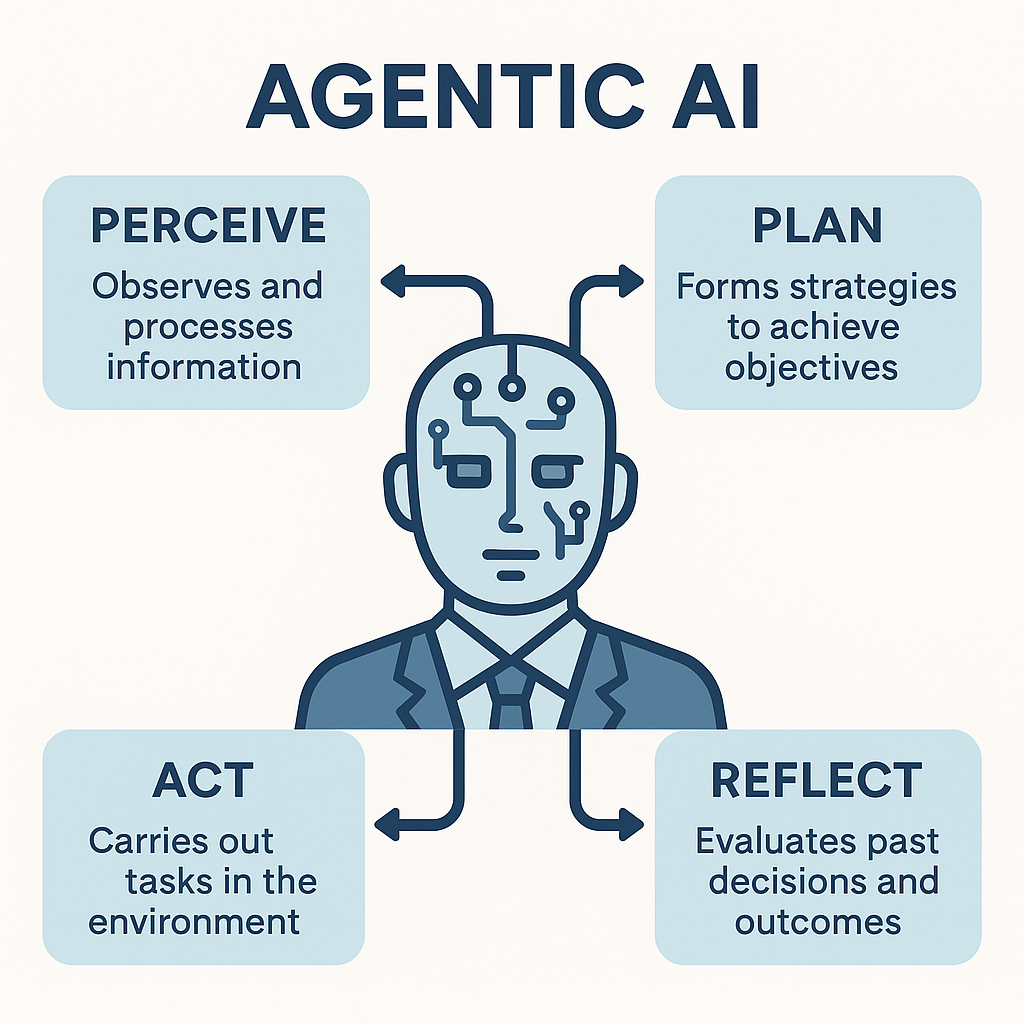
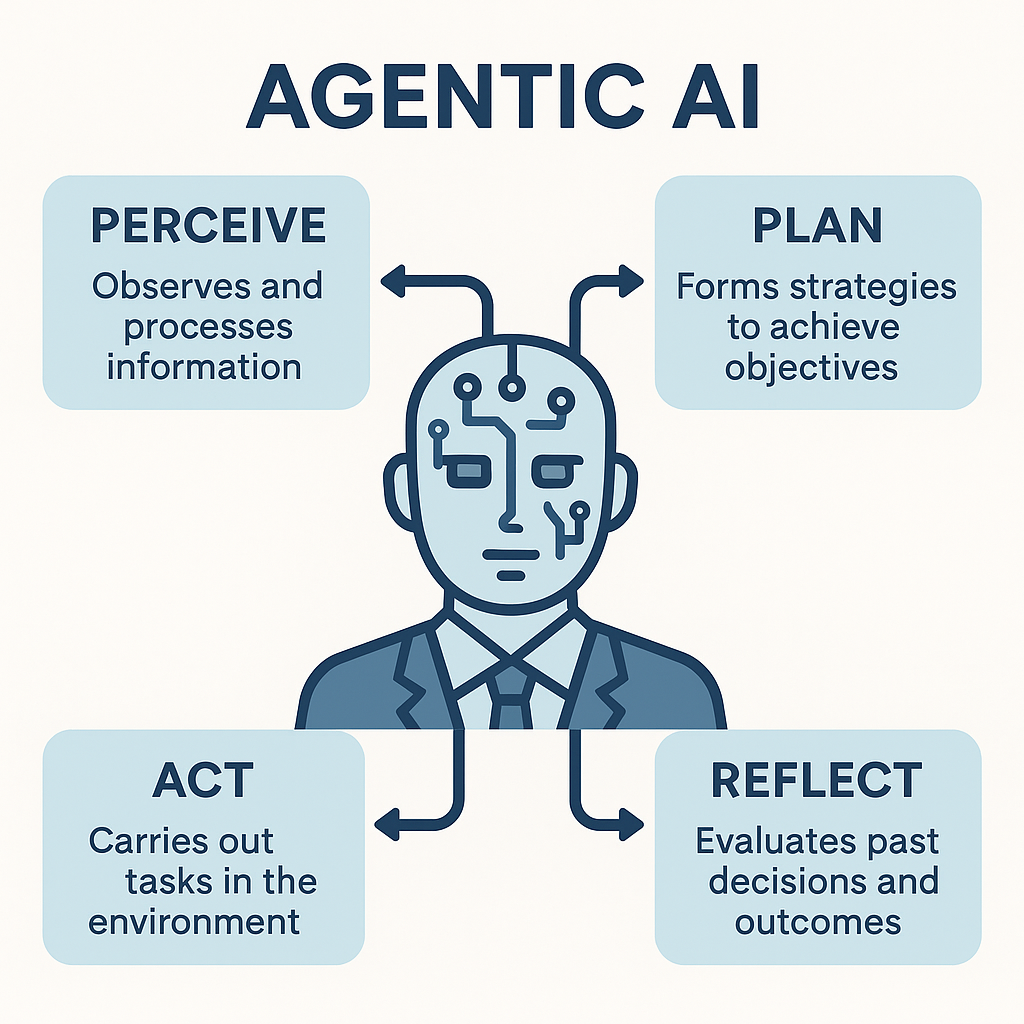
Agentic AI refers to systems that can perceive, plan, act, and reflect—like a digital employee. But let’s be clear:
⚠️ Agentic AI already exists today, but only in narrow, domain-specific environments—not across all domains like a human.
Platforms like AutoGPT, and N8N + LangChain show early examples of agents that operate semi-independently, especially in logistics, marketing, and support.
🌟 These systems aren’t AGI—but they act agentically within their sandbox.
🔁 Next: WHERE Agentic AI is being used in the real world.
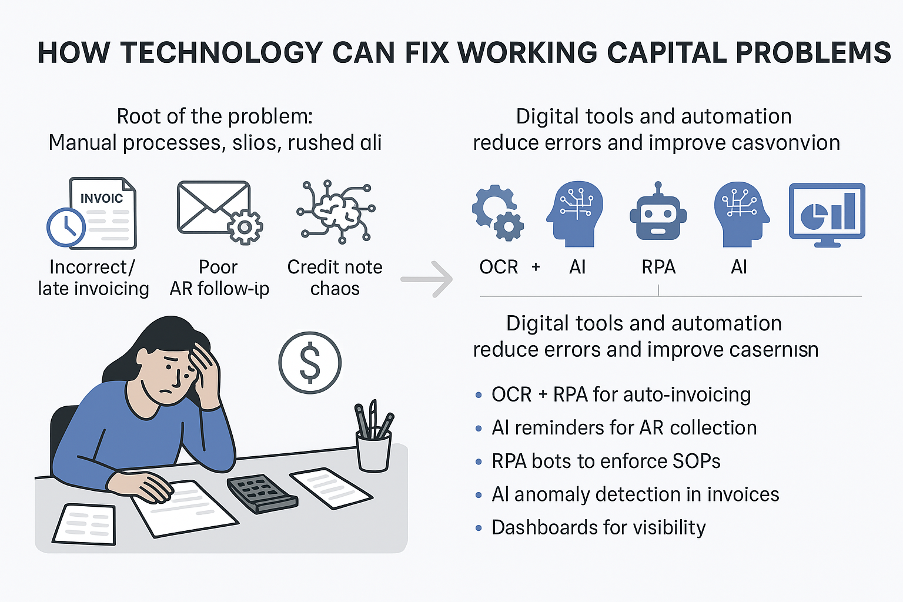
Part 3: How Technology Can Fix Working Capital Problems
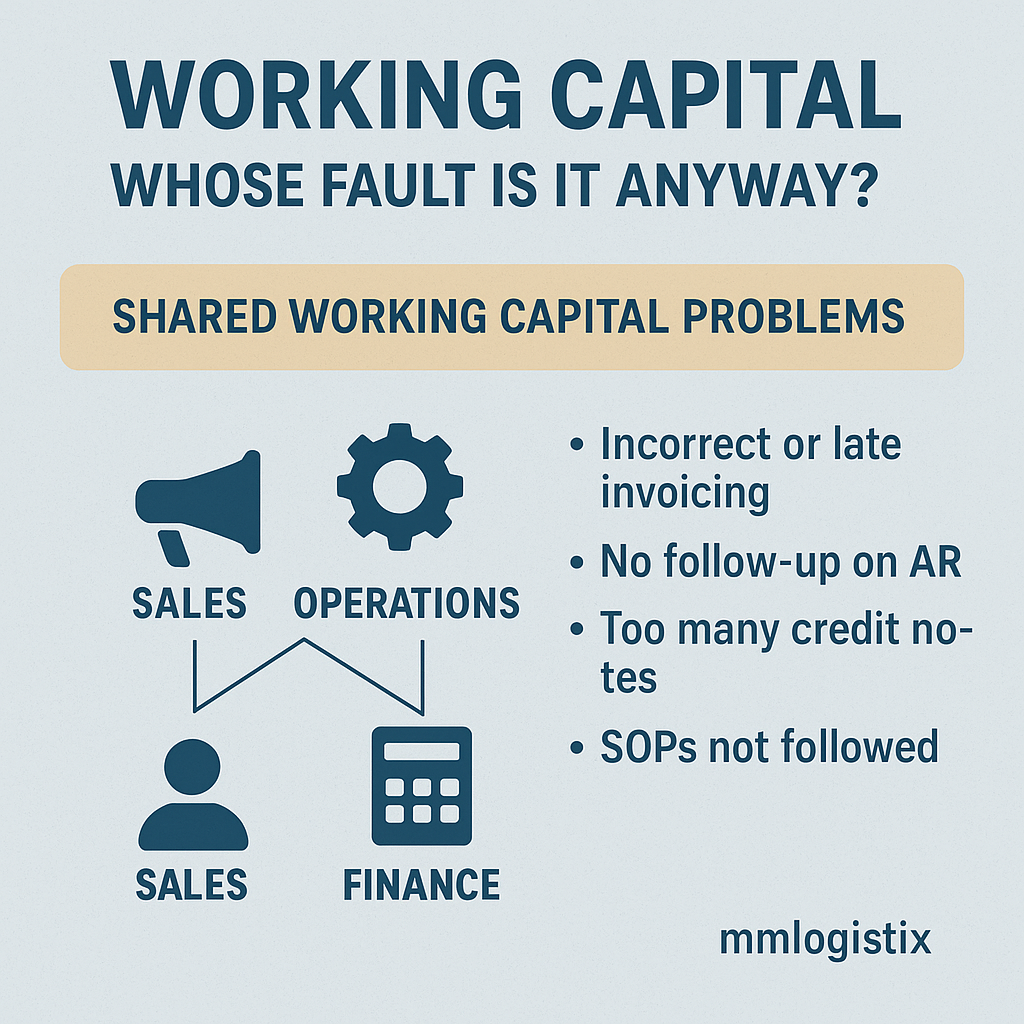
The root of working capital problems often lies in manual processes, departmental silos, and rushed decisions. Thankfully, modern digital tools offer practical, scalable solutions to reduce errors and improve cash conversion cycles.